

For clients
Pain, stiffness or limited movement
Start with a professional assessment of your condition: how you move, which movements are limited, how the load is distributed.
Book a consultation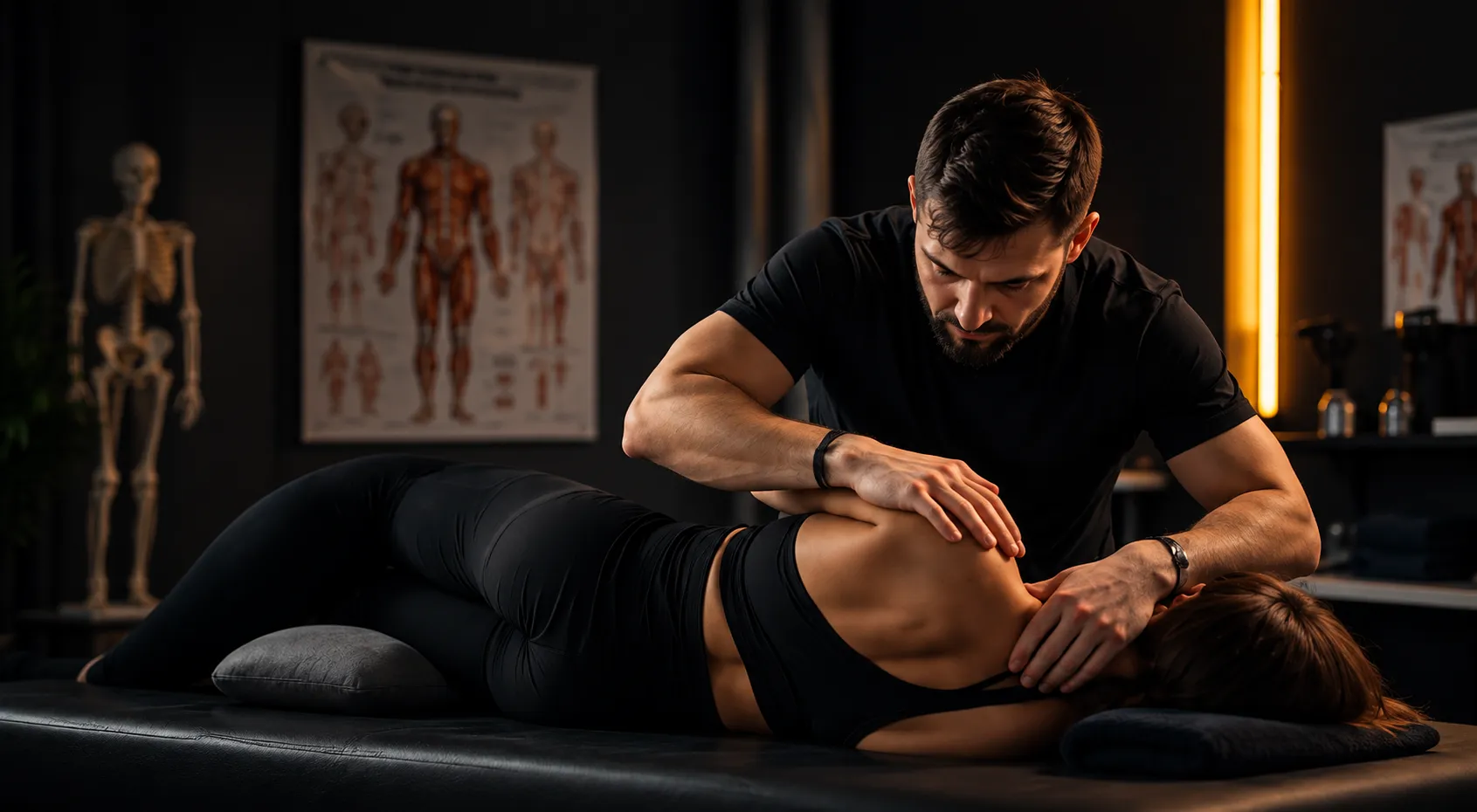
Osteopathy · manual therapy · neurology · massage · school of manual techniques
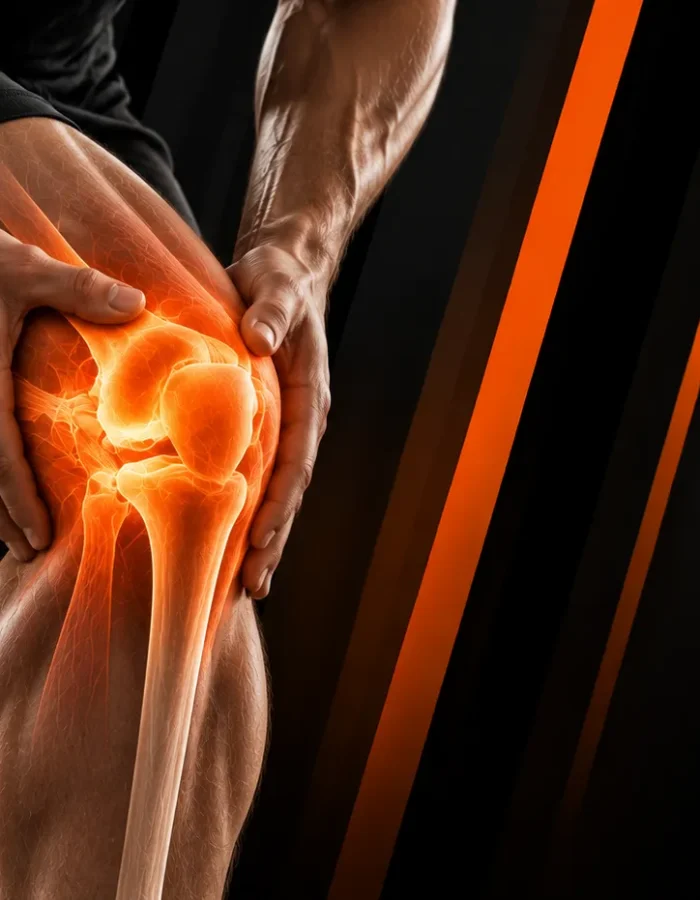
We work not only with the spot where the symptom is felt, but look at how the body moves as a whole: joint mobility, myofascial structures, movement patterns, muscle tone and posture.
A comprehensive approach
Before starting we answer more than the question “where does it hurt?”. How does the person move? Which movements are limited? How is the load distributed? Is there muscle hypertonicity or restricted joint mobility? Are there paraesthesias, radiating pain or other neurological symptoms? How do physical load, lifestyle, recovery and stress affect the condition?
About the practitioner
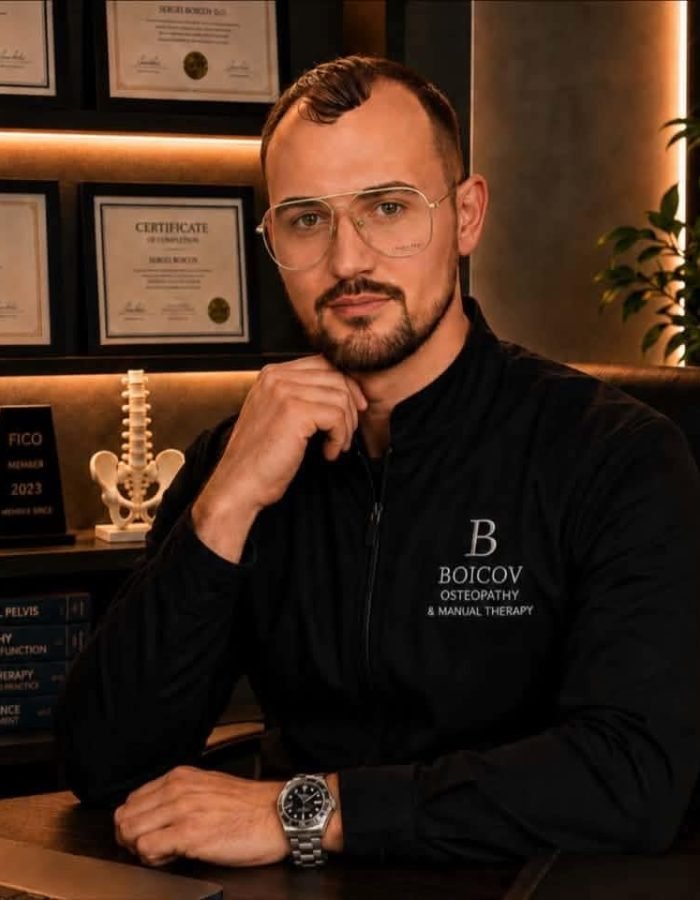
Dr. Boicov — osteopathy, manual therapy, training
An integrative approach to health: the body is looked at as one system, so the work starts with an assessment of the body as a whole and not only of the spot where the symptom is felt. Clinical practice runs alongside training specialists and international appointments.
Five directions — one philosophy
An integrated approach to health, to the growth of specialists and to international collaboration.
 International in-person appointments
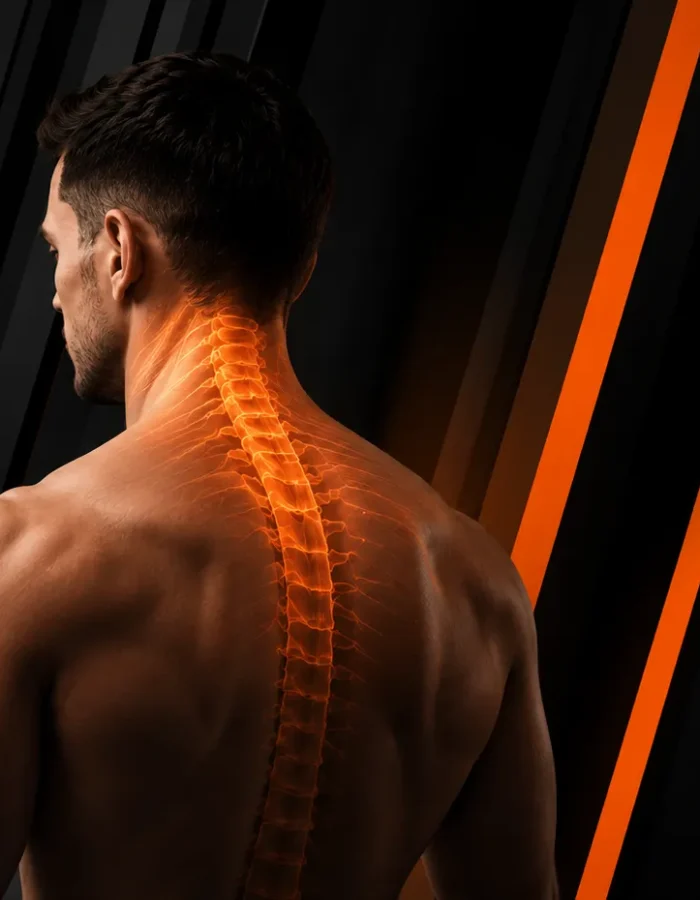
Комплексный подход к коррекции функциональных нарушений опорно-двигательного аппарата, направленный на снижение мышечного гипертонуса и восстановление нормальной амплитуды движений. В основе метода — работа со всем телом как с единой целостной системой, с учётом анатомических, биомеханических и функциональных взаимосвязей между всеми его структурами.
 Training for practitioners
Школа мануальной терапии и трастовых техник: анатомия, биомеханика, клиническое мышление.
 Media and content
Разборы, эфиры и обучающие материалы о теле, движении и безопасной работе руками.
 International projects
Выездные приёмы и семинары по Европе, обучение по приглашению школ и клиник.
Symptoms
The same symptom can have different mechanisms in different people. That is why we do not apply one technique to everyone: first the assessment, then the understanding of the situation, and only after that the choice of tactics within the competence of the specialist.
Real stories
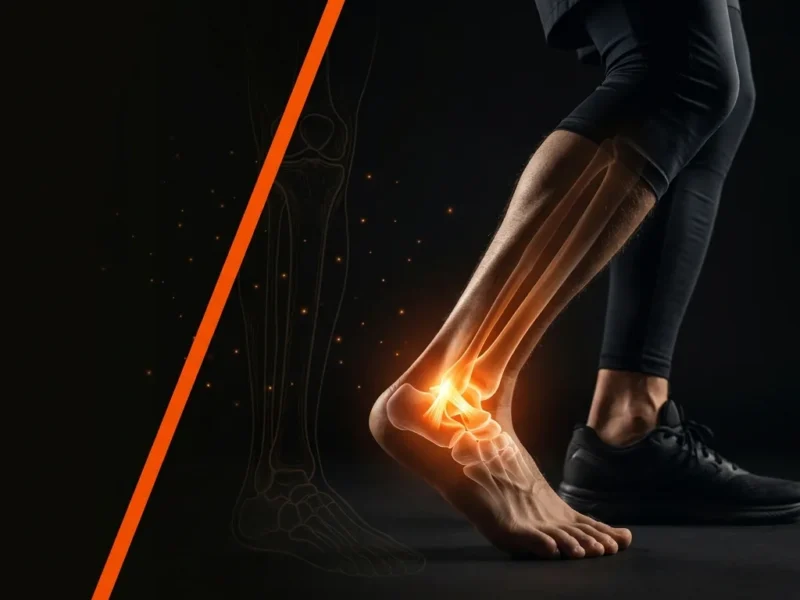 One appointment that helped a marathon runner return to sport
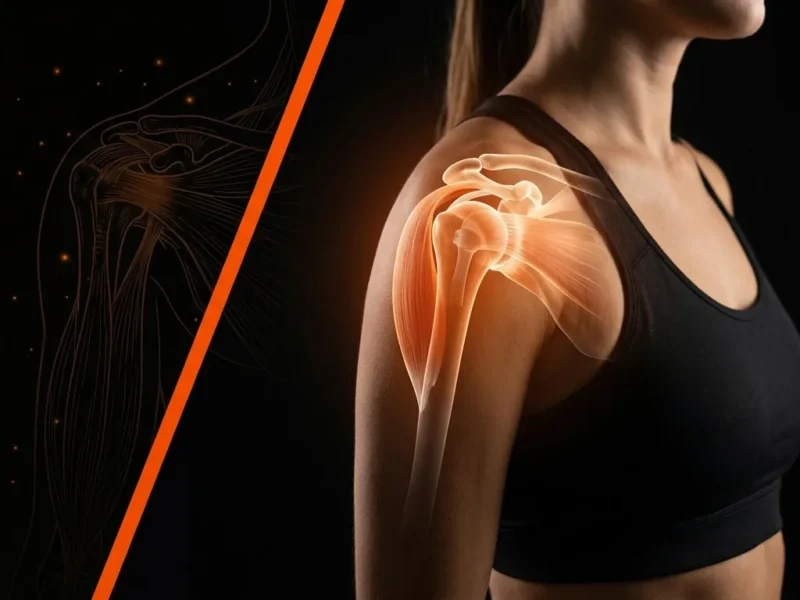 A shoulder that stopped hurting after the first appointment
 When the cause was not where everyone was looking
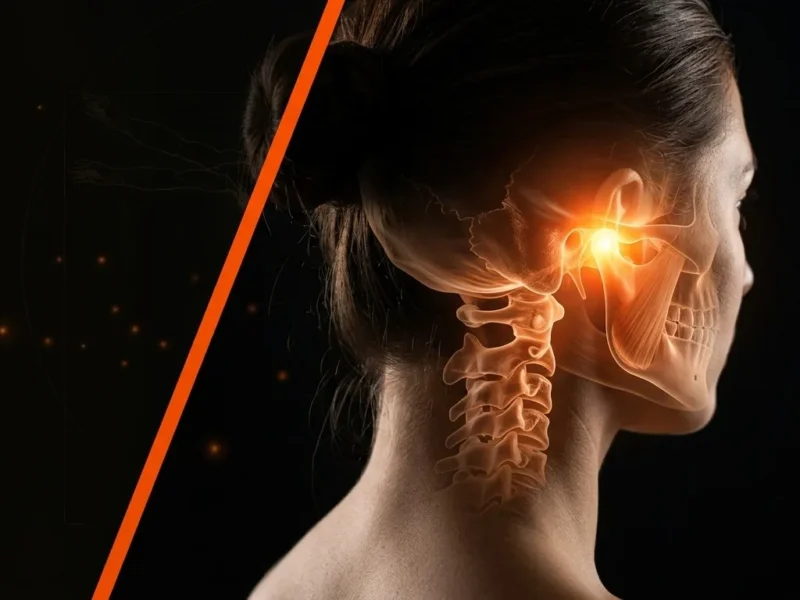 Headaches since childhood and a cause nobody could find
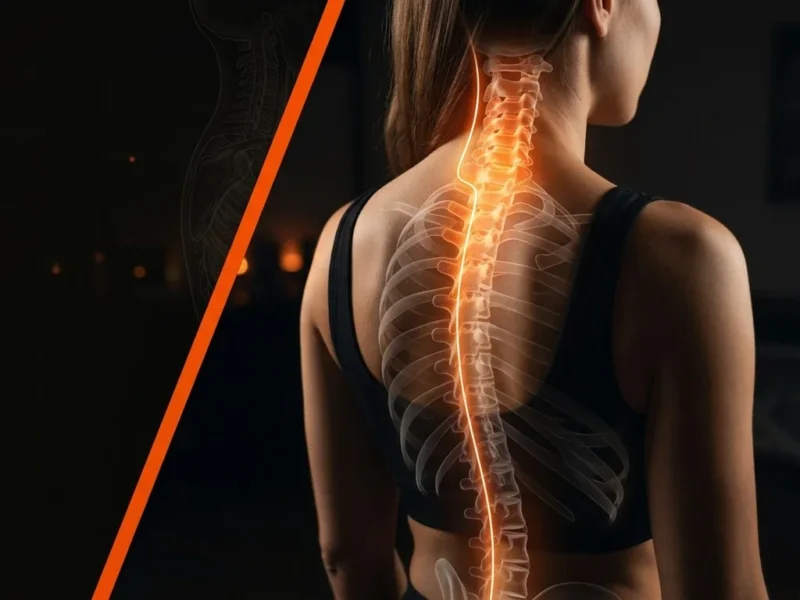 Neck pain, while the real problem sat somewhere else
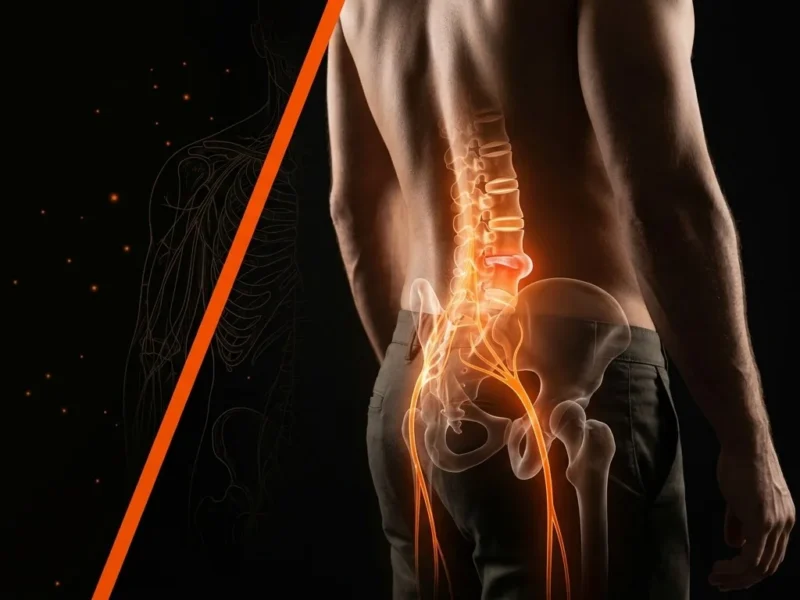 A 6 mm herniation and an offer of surgery. After the appointment he could walk
In numbers
0
years of practice
0+
countries where appointments have been held
0+
appointments carried out
0+
practitioners taught
Two directions
For clients
Start with a professional assessment of your condition: how you move, which movements are limited, how the load is distributed.
Book a consultationFor specialists
If you want to understand not only how a technique is performed, but why, when and to which structure it is applied — look at the programmes of our school.
See the programmesClients
Messages as they came in — click to read in full.
Common questions
It starts with an examination and assessment: posture, mobility, analysis of the MRI and other imaging you bring. After that the technique is chosen for your case, and the session itself follows.
Many people notice a change after the first appointment, but this is individual: for some one appointment is enough, others need several. It becomes clearer after the first meeting and depends on the condition, not on a schedule.
Visiting appointments are held regularly in Germany, in other European countries and beyond. The current schedule is published in social media.
Journal
Not every course with a handsome certificate leaves you with usable skills. What to look for in the syllabus, who should be teaching, and why technique without anatomy and safety is a poor investment.
Read How to choose a manual therapy course and not waste your timeA first appointment does not start with hands-on work. The practitioner gathers the history, assesses movement and mobility, and decides which approach is appropriate at all.
Read What happens at a first osteopathy appointmentPain in one place does not mean the only overload sits there. How the foot, knee, pelvis and spine are linked to one another.
Read Why back pain is not only about the back
Consultation · diagnostics · an individual plan.
We answer within one working day.
Contact
Tell us what you are interested in — an individual appointment, training or an organisational question. The team will get in touch and suggest the next steps.
Booking
Leave a request — we will call you back, agree on a time and explain how the first appointment works.