Olesya Karpach, 29. A hairdresser. Frankfurt am Main, Germany.
Olesya came with pain low in the abdomen, discomfort around the diaphragm and insomnia. These symptoms were affecting how she felt, her rest and her quality of life.
What the assessment showed
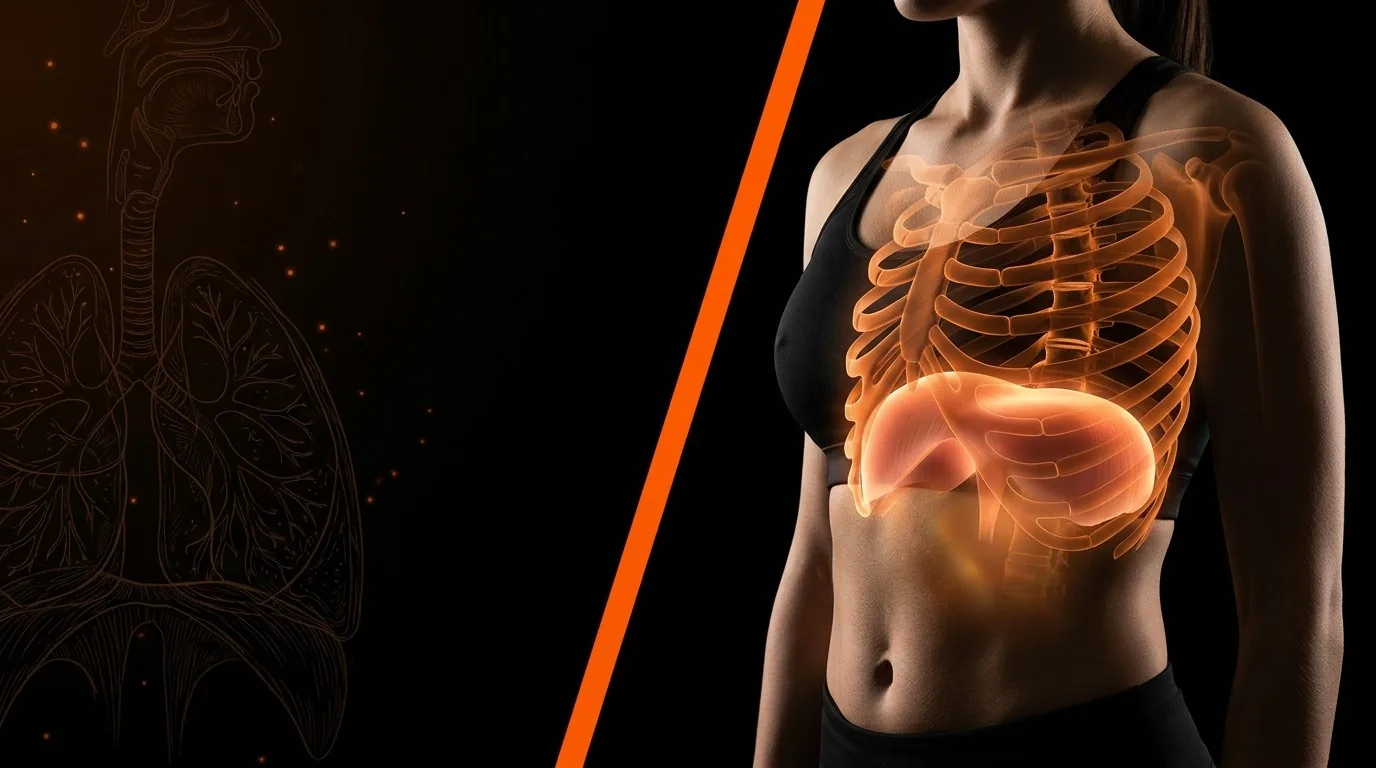
During the clinical assessment I paid particular attention to the relationship between the diaphragm, the abdominal wall muscles, the lumbar spine and the nervous system — looking for functional restrictions that might be adding to the discomfort and keeping the muscular tension in place.
How the work went
- functional assessment — the mobility of the diaphragm, breathing movement and muscular tension;
- visceral osteopathy — gentle work with the tissues of the abdomen;
- manual techniques — work with the myofascial restrictions found;
- psychosomatic factors — looking at how stress, breathing, emotional tension and sleep relate to one another.
The result
Olesya was pleased with the appointment and thanked us for the care and the professional approach.
What matters here
The diaphragm takes part not only in breathing but in maintaining intra-abdominal pressure and stabilising the trunk. How the diaphragm works, muscular tension, the nervous system and the quality of sleep are closely connected — which is why a full functional assessment is central to how I work.