

The body and stress
Psychosomatics and emotional health
Stress is one of the main factors affecting how the whole body works. It can show up in sleep, muscular tension, recovery, digestion, energy levels and the perception of pain.
In short
Book an appointmentThe body adapts constantly — to load, to emotion, to the world around it. But when stress goes on for a long time, it may stop recovering properly.
Chronic tension sets in, sleep gets worse, energy drops, the response to load changes and sensitivity to discomfort and pain rises.
That is why hands-on work has to look beyond the place that hurts, at the state of the person as a whole.
What stress does to the body
Stress is not only an emotional state. It is a physiological response of the whole organism. Under load the body mobilises resources: the nervous system shifts gear, muscle tone rises, breathing and heart rate speed up.
Normally the body then settles back down. But if stress becomes constant, it can stay in that braced state for a long time. This may affect:
- the quality of sleep;
- the level of muscular tension;
- how quickly you recover;
- energy levels;
- digestion;
- tolerance of physical load;
- how pain and discomfort are perceived.
In time a person can get used to this state and take constant tension for normal.
What a full assessment takes in
We look at more than the area where pain or discomfort is felt. What matters is what is happening to the body as a whole and which factors keep the tension going.
- sleep and recovery;
- the level of everyday stress;
- physical load;
- the state of the central nervous system;
- muscular tension and mobility;
- the character and duration of the symptoms;
- energy and fatigue;
- lifestyle;
- past injuries and illnesses.
What we do not do
We do not explain every symptom by stress or psychosomatics alone. Stress really can have a strong effect on how a person feels, but pain and other symptoms may have quite different causes.
So the whole picture matters: the state of the nervous system, muscular tension, movement, load, recovery, lifestyle and health history.
If there are signs that call for further medical investigation, the practitioner will advise you to see the relevant doctor.
Stress can affect the whole body. Our job is to understand what part it plays in your particular case.
What people come with most often
- muscular tension and bodily discomfort alongside anxiety and panic attacks;
- a sense that the nervous system is overloaded: irritability, difficulty relaxing, shallow breathing;
- chronic tension in the neck, shoulder girdle and jaw muscles;
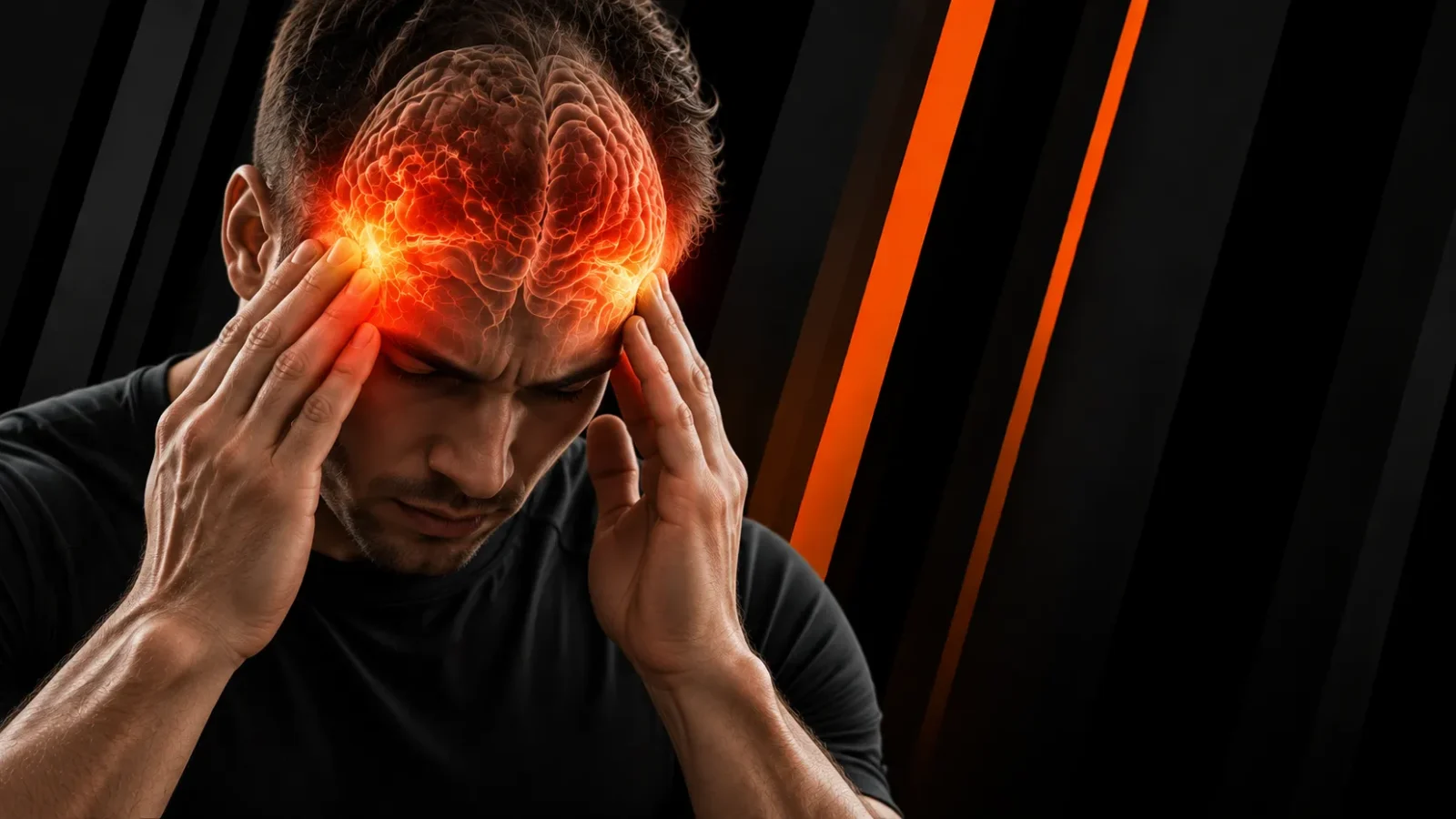
- headaches linked to muscular tension;
- disturbed sleep and a feeling of constant fatigue;
- bodily signs of prolonged stress and emotional overload.
Bodywork and psychotherapy
Ruslan Shipitsyn is a qualified psychotherapist, so where it makes sense the hands-on work can be combined with psychotherapeutic work. The format is agreed individually: sometimes working with muscular tension is enough, sometimes it helps to go down both roads at once.
Bodywork does not replace treatment by a psychiatrist or psychotherapist where a mental health condition has been diagnosed. With marked anxiety, panic attacks or mood disturbance we recommend being seen in parallel by the relevant specialist.
When to get in touch
When the body has been braced for a long time, people feel it in very different ways: constant stiffness, muscular tension, recurring discomfort, reduced mobility, fatigue or slower recovery after exertion.
At an individual appointment the practitioner assesses the state of the body, movement, muscle tone and the other factors that may be keeping the problem in place.
Stress affects more than mood. It can change how the whole body sleeps, recovers, moves and feels.
Common questions
Common questions about psychosomatics
Prolonged tension changes muscle tone, breathing and sleep. The body starts to move differently, overloaded areas appear, and discomfort can persist even when the original cause is long gone.
The practitioner works with the body: muscular tension, mobility, breathing. This is not psychotherapy and does not replace the help of a psychologist or doctor — where needed we recommend seeing the appropriate specialist.
Yes. Even with normal medical results a person may go on experiencing physical discomfort, muscular tension and other unpleasant sensations. In such cases it matters to consider chronic stress, anxiety, emotional overload and how the nervous system is working. A psychosomatic approach helps make sense of the link between the physical and the emotional; it adds to medical assessment rather than replacing it.
Bodywork can lower the overall level of tension, and people often say that breathing and sleeping become easier. It is an addition to the main treatment, not a substitute for it.
That becomes clear after the first meeting. We go by the person's condition, not by a number fixed in advance.
Contact
Leave a request
Tell us what you are interested in — an individual appointment, training or an organisational question. The team will get in touch and suggest the next steps.
- Phone+49 1521 5307228
- E-mailinfo@boicov.clinic
- Head office Кишинёв, Молдова Organisational and marketing office. Patients are not seen here.
- HoursПн–Пт 10:00–18:00